Unlocking Fun: How Resource Management Multiplayer Games Are Redefining Cooperative Gaming Experiences
In the dynamic world of gaming, few genres have emerged with the impact and popularity that multiplayer games have achieved. Resource management multiplayer games take the excitement to a new level by emphasizing cooperation among players. But how are these games really transforming the gaming landscape? In this article, we will explore the evolution, benefits, and some standout examples of this burgeoning genre.
The Appeal of Multiplayer Gaming
The allure of multiplayer games lies in their ability to connect people globally. Whether you're battling it out on the battlefield or collaborating in resource management, the shared experience fosters a sense of community. Players can form good clans, such as those found in "Clash of Clans," enhancing the fun and strategic depth.
What Are Resource Management Games?
Resource management games revolve around the strategic allocation and management of resources to achieve specific objectives. These games often require players to balance growth, enhance efficiency, and cooperate with others. Here are some essential elements:
- Resource Allocation: Players need to decide where to allocate their resources effectively.
- Collaboration: Many of these games encourage teamwork, demanding good communication.
- Strategic Planning: Long-term strategies often lead to the best outcomes.
Examples of Resource Management Multiplayer Games
| Game Title | Platform | Description |
|---|---|---|
| Clash of Clans | Mobile | Build your village, raise a clan, and compete with others. |
| Starbound | PC | A space exploration game with strong resource management mechanics. |
| Factorio | PC | Build and manage factories while collaborating with friends. |
How Do Multiplayer Resource Management Games Redefine Experiences?
By combining resource management with multiplayer elements, these games create experiences unlike anything else. They engage players in ways that traditional single-player experiences simply cannot. Here’s how:
- Increased Engagement: Players are more likely to stay engaged when they have others to share the journey.
- Mutual Success: Achieving goals together contributes to a sense of accomplishment.
- Dynamic Strategies: The presence of other players means strategies must adapt on-the-fly.
Case Study: Clash of Clans
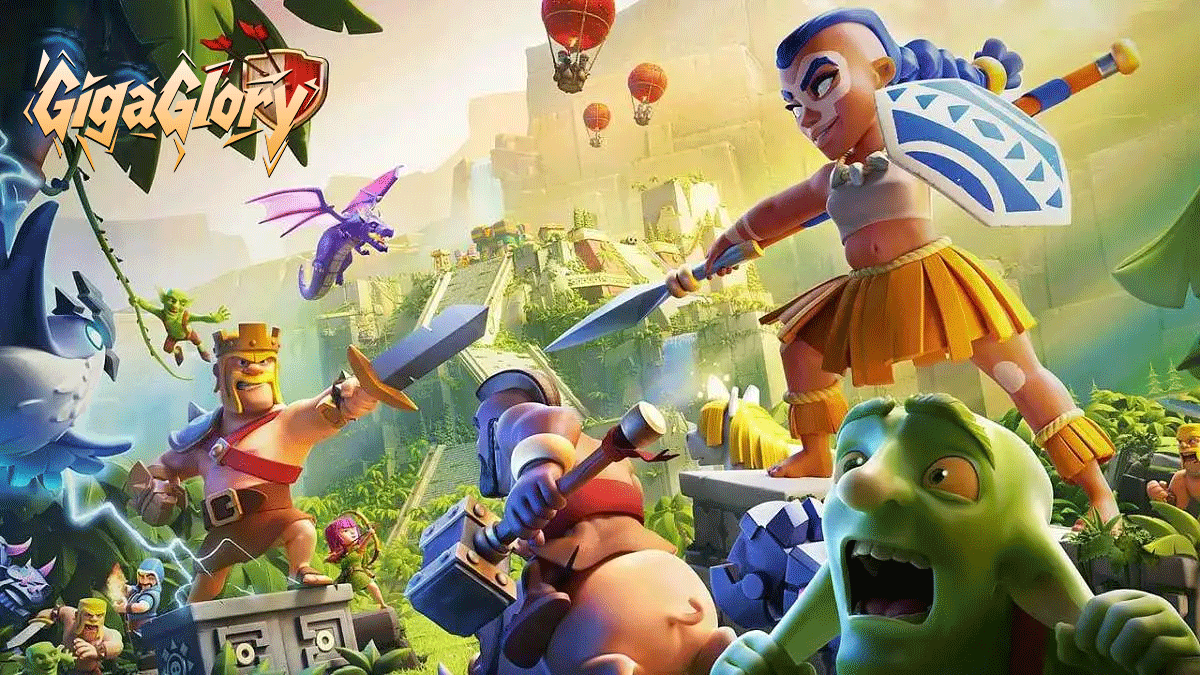
One shining example of a resource management multiplayer game is "Clash of Clans." It combines strategy and collaboration, enabling players to build powerful clans. Here are some key elements that contribute to its success:
- Clan Wars: Players create clans for battles against others, enhancing teamwork.
- Resource Gathering: Players must develop and defend their villages, requiring strategic resource management.
- Social Interaction: Players can chat, share strategies, and help each other grow.
Frequently Asked Questions
What makes resource management multiplayer games unique?
These games combine the necessity for cooperation with competitive elements, providing a richer experience.
Is there a learning curve for new players?
Definitely! The mechanics can be intricate, but communities often provide support for newcomers.
Can I play these games solo?
While multiplayer functionality is a significant component, many offer solo modes. However, the experience truly shines with others.
Final Thoughts
Resource management multiplayer games represent an exciting frontier in gaming, where social interaction and strategic depth collide. As players navigate the challenges and enjoy cooperative experiences, the genre promises to continue redefining what we expect from gaming. From the camaraderie in "Clash of Clans" to collaborative efforts in "Starbound," the future looks bright for those seeking engaging and fun multiplayer interactions.